
The right time to introduce water depends on the baby’s age. Exclusively Breastfed Babies Until 6 months, water is not needed — breast milk is enough. After 6 Months Offer small amounts between meals. Tip Better in a training cup than a bottle to prevent tooth decay.
Gluten in Baby’s Diet: When to Introduce
Gluten can be introduced between 6 and 12 months. Suitable Foods Whole grain bread Pasta Sugar-free biscuits Tip Introduce in small amounts and monitor reactions.
Fever and Teething: What to Do
Teething may cause mild fever. Normal Up to 38 °C (100.4 °F) When to Worry If higher or accompanied by diarrhea or vomiting.
Food Allergies in Babies
Food allergies are common in the first year. Common Allergens Cow’s milk Eggs Soy Symptoms Rashes Vomiting Difficulty breathing
Vitamin C in Baby’s Diet
Vitamin C is important for the immune system. Sources Oranges Kiwis Broccoli
Apple for Babies: First Fruit Choice
Apple is one of the first fruits offered to babies. Benefits Rich in fiber Easy to digest Mild taste

Newborn’s First Bath: A Safe Guide
A newborn’s first bath is an exciting but sometimes intimidating moment. With the right preparation, it can be safe and enjoyable. Preparation Room temperature: 24–26 °C Water: 36–37 °C (check with elbow or thermometer) Have towel, clean clothes, diaper, and soft sponge ready Bath duration: 5–10 minutes Steps Clean the diaper area before the bath […]
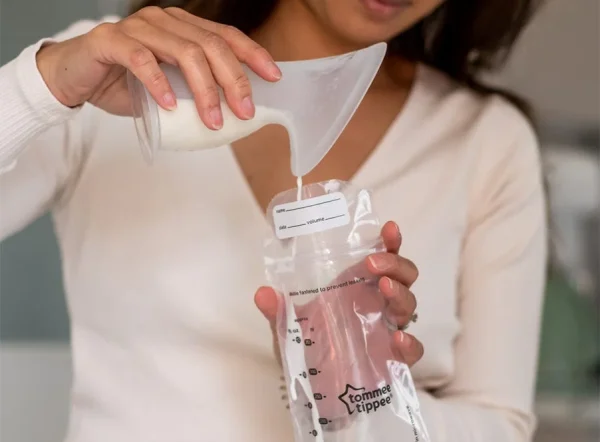
How to Store Breast Milk Safely
Breast milk can be stored safely. Storage Refrigerator: up to 72 hours Freezer: up to 6 months Defrosting In the fridge or warm water bath, never in the microwave.

Probiotics for Babies: Benefits and Sources
Probiotics support gut health and immunity. Sources Plain yogurt Kefir Infant formulas enriched with probiotics

Excessive Crying in Babies: Common Causes
Excessive crying may have several causes. Common Hunger Tiredness Pain When to See Doctor If crying continues despite comfort.