
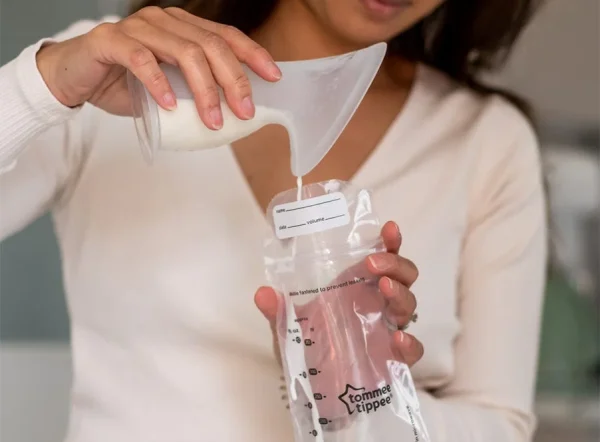
Breast milk can be stored safely. Storage Refrigerator: up to 72 hours Freezer: up to 6 months Defrosting In the fridge or warm water bath, never in the microwave.
Skin Rashes in Babies: Common Causes
Skin rashes are common in babies. Possible Causes Heat Allergies Eczema Tip Keep skin clean and dry.
Pacifiers: Pros and Cons
Pacifiers have both pros and cons. Advantages Soothes and calms Reduces risk of sudden infant death syndrome Disadvantages May cause dependency Linked to ear infections Can affect teeth alignment
Baby Hiccups: Should You Worry?
Hiccups are common and usually harmless. Tips Offer breast or bottle Take breaks during feeding
Teething in Babies: Signs and Relief
Teething usually begins between 6 and 10 months. Signs Excessive drooling Irritability Desire to chew objects Relief Chilled teething rings Gentle gum massage
Why Do Babies Drool So Much?
Babies often drool a lot, especially during teething. Tips Use bibs to protect clothing Wipe chin gently to avoid irritation Offer cold teething toys
Baby Oral Hygiene: When to Start
Oral hygiene should begin before teeth appear. Tips Wipe gums with a damp gauze Use a soft toothbrush when first tooth erupts No fluoride toothpaste before 1 year
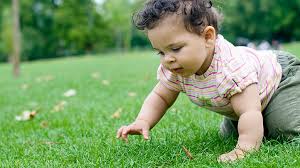
When Do Babies Start Crawling?
Crawling usually begins between 7 and 10 months. How to Encourage Place toys slightly out of reach Provide safe floor space Avoid using baby walkers
Fever and Teething: What to Do
Teething may cause mild fever. Normal Up to 38 °C (100.4 °F) When to Worry If higher or accompanied by diarrhea or vomiting.
Why Are Babies Afraid of Strangers?
Some babies show fear of strangers around 8–9 months. Tips Allow gradual approach Don’t force interaction Offer familiar objects for comfort