
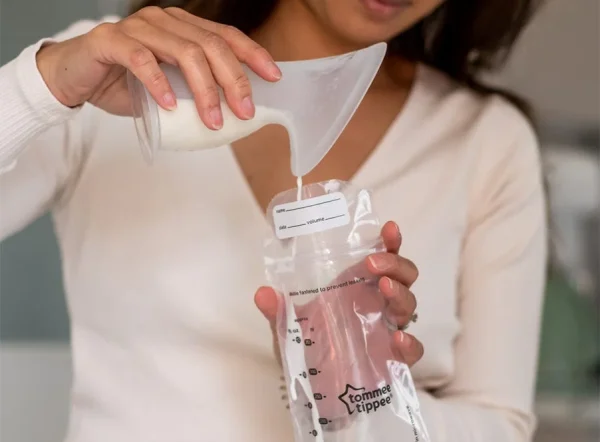
Breast milk can be stored safely. Storage Refrigerator: up to 72 hours Freezer: up to 6 months Defrosting In the fridge or warm water bath, never in the microwave.

Probiotics for Babies: Benefits and Sources
Probiotics support gut health and immunity. Sources Plain yogurt Kefir Infant formulas enriched with probiotics

Excessive Crying in Babies: Common Causes
Excessive crying may have several causes. Common Hunger Tiredness Pain When to See Doctor If crying continues despite comfort.
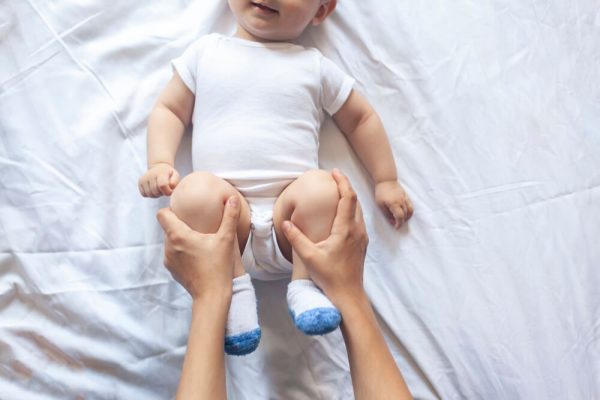
Constipation in Babies: How to Relieve
Constipation can be uncomfortable for babies. Solutions Offer water after 6 months Give fruits like prunes or papaya Do bicycle leg exercises
When Do Babies Start Crawling?
Crawling usually begins between 7 and 10 months. How to Encourage Place toys slightly out of reach Provide safe floor space Avoid using baby walkers
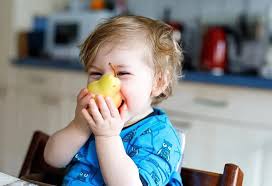
Pear for Babies: Benefits and Tips
Pear helps relieve constipation in babies. Benefits High water content Soft texture
Baby Massage: A Complete Guide
Baby massage promotes relaxation, better sleep, and bonding. Benefits Improves circulation Relieves colic and gas Encourages deeper sleep Strengthens parent–baby bonding
Baby Spit-Up: What to Do
Spit-ups are common and usually harmless. Prevention Keep baby upright 20–30 minutes after feeding Offer smaller, more frequent feeds When to Consult If vomiting is forceful, bloody, or causes poor weight gain.
Calcium in Baby’s Diet
Calcium is vital for bones and teeth. Sources Dairy products Green vegetables Sesame seeds Tip Calcium absorption is improved when combined with vitamin D.
Motor Development Stages in Babies
Motor development follows key milestones. 4–6 Months Rolls over Grasps objects 7–9 Months Sits without support Begins crawling 10–12 Months Stands up Takes first steps